


Training and Education
IBEW-Run Electrical Training ‘Bearing Fruit’ in Saskatchewan
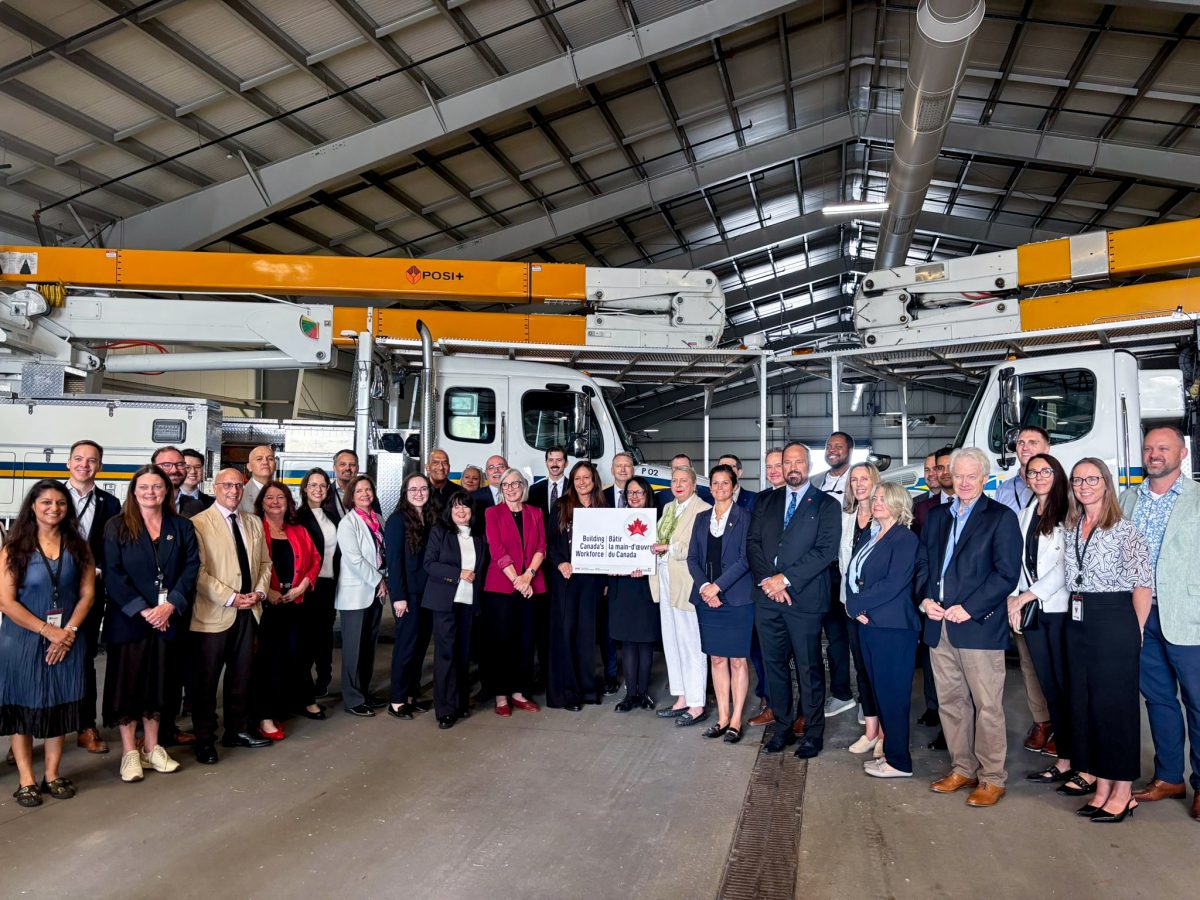
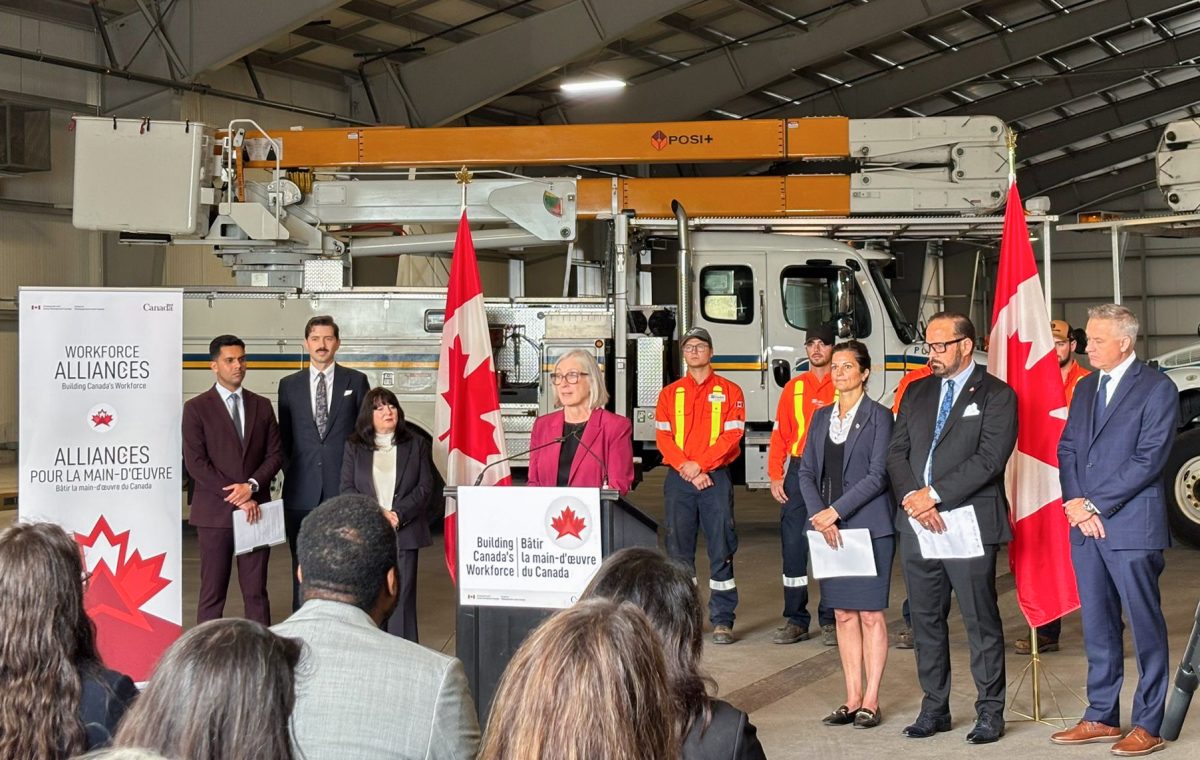
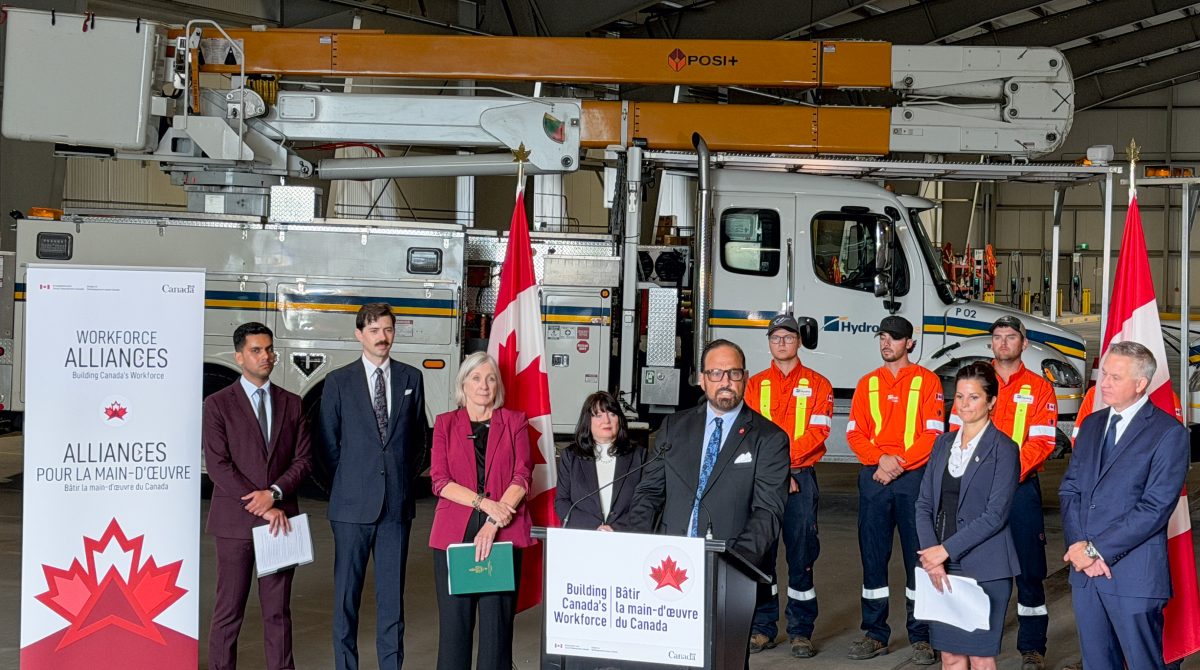
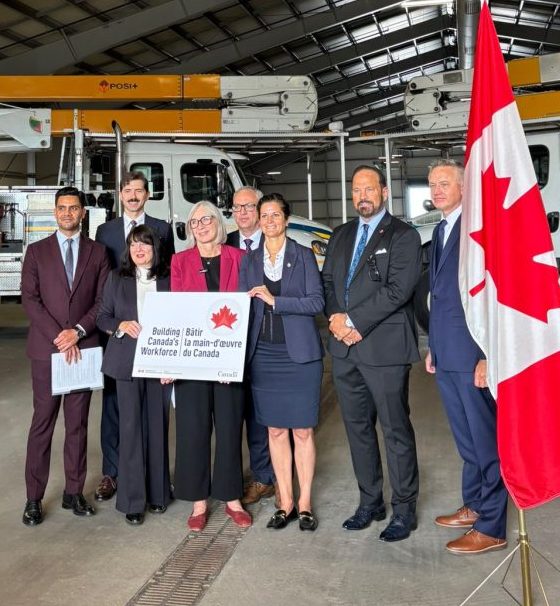
As new power demands continue to grow, the provincial government of Saskatchewan has started funding IBEW-led apprenticeships, underscoring the union’s proven excellence and ability to meet the moment.
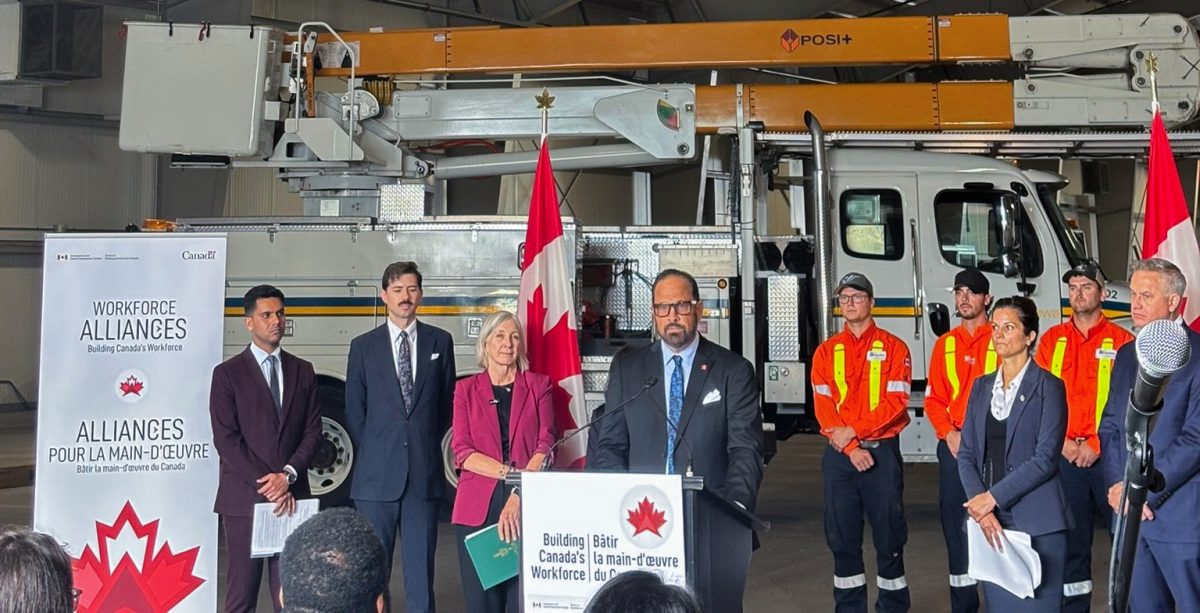
In September 2024, the government of Saskatchewan signed a memorandum of understanding and a letter of intent with the IBEW to expand construction electrician and powerline technician apprenticeship training. Early results of the training program have been extremely positive.
“This is a huge deal for the IBEW in Western Canada,” First District International Vice President Russ Shewchuk said. “We have been working hard to secure this relationship with the Saskatchewan government, and that relationship is now bearing fruit and employing Saskatchewan workers who will be able to meet the province’s increasing power needs.”
Regina Local 2038 has used its funds to purchase equipment for its training program, which is open to both union and nonunion workers. While only on its third cohort, it’s already proving that IBEW training is well worth the investment. The first and second classes of apprentices had a success rate of 100%, passing with an average grade of 85%.
“It’s an early harbinger that bodes well for the future,” Local 2038 Business Manager Christopher Unser said. “While it’s a small sample size (32 students have participated so far), it reflects the benefits of smaller class sizes and increased instructional time. I’ve described it as an artisan bakery versus a large supermarket.”
The initial feedback from the apprentices similarly demonstrated that the IBEW model is a tried-and-true learning approach.
“Feedback was overwhelmingly positive,” Unser said. “They valued the small class size and access to instructors with decades of experience, as well as the perks that come with the electrician-focused environment built specifically for them.”
Prior to the IBEW partnership with the province, electrical trades training was done primarily through community colleges without a standardized curriculum.
“This is the first time we have had a standardized core curriculum, and it is only because of the link we have between the training centers across Canada that lets it happen,” IBEW First District International Representative Chris Taran said.
Unser noted that the real measure of success will be reflected in these apprentices’ long-term careers, making retention just as important as recruitment.
“By improving working conditions across all trades and fostering an environment that values longevity, sustainability and respect for skilled workers, we can better retain those who have invested the time and effort to develop their skills,” Unser said. “If we get retention right, the peaks and valleys of recruitment cycles should begin to level out, resulting in a more stable, experienced and resilient workforce.”
After the early success of Local 2038’s program, Unser said he’s cautiously optimistic about the future.
“We’re just getting started and I’m cautious about bold claims, but our organization has a century-long history of mentoring and training apprentices. We’re proud to continue that legacy,” Unser said.
Taran and Unser said a big part of this success is due to the relationship the IBEW has cultivated with the provincial government, which is currently led by the conservative-leaning Saskatchewan Party.
“We’re not focused on championing any individual political party but on getting the job done with the tools and resources we have,” Unser said. “This may be a pilot project of sorts, but the potential for future IBEW campuses across Canada is significant. The proof will be in the success of these apprentices.”
Taran said it’s good to see the government listening and trying to help with outcomes for apprenticeships.
“It’s nice to see the government have a change of heart,” Taran said. “It’s a good success story. The IBEW has broken the mold.”
MoreIBEW Canada Women’s Committee to Host Virtual Leadership Training in November

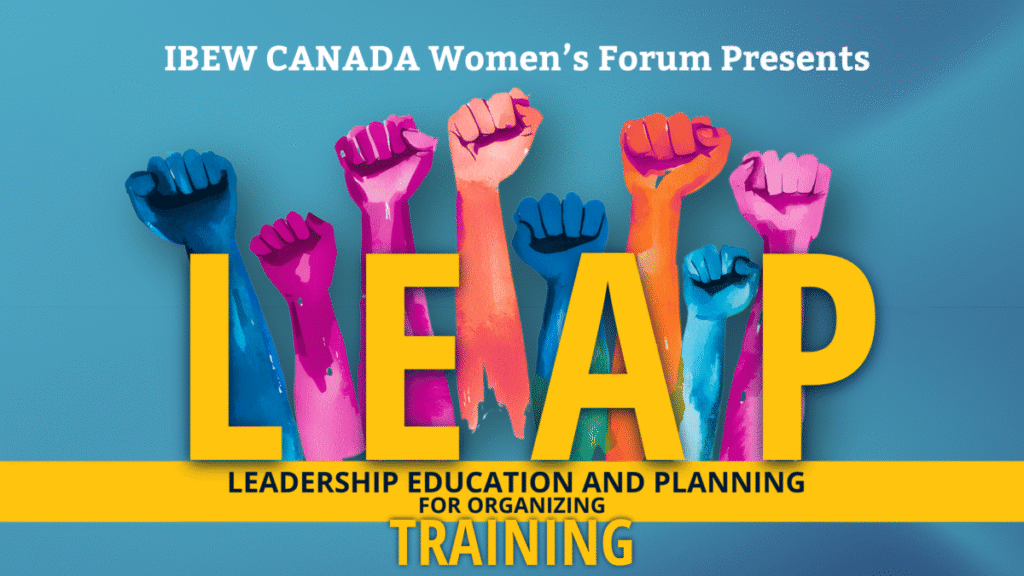
IBEW Canada is offering the Leadership Education and Planning for Organizing (LEAP) training during the Women’s District Forum on Saturday, November 15, 2025, at 1 p.m. EST via Zoom.
This interactive session helps equip IBEW members with the skills needed to educate and mentor other members effectively, ultimately strengthening the local union and the IBEW as a whole.
Registration is open to all IBEW women in Canada.
To register, email Kate Buinimasi at kate_buinimasi@ibew.org or complete the form below:
MoreElectrical Injury Day of Recognition
October 6 has been selected as a day of recognition by the Canadian electrical industry in order to raise awareness about the long term consequences of electrical shock exposure. The risk of electrical shock is not limited to electricians or tradespersons, it can happen to anyone, anywhere at any time, and unfortunately for too long the aftereffects from such injuries have not been studied.
Research now shows that a complex injury can develop being delayed by months or years following an electrical injury, and there is no cure for these long-term effects. Very few North American hospitals are performing research in this field of study. As we pride ourselves as being the safest skilled workers in the industry, we must help educate our members, fellow tradespersons, and the public about this issue.
FAQ – Electrical Injury Day of Recognition Electrical Shock Sequela

More
IBEW Canada Champions Safety in the Canadian Utility Sector

Safety has always been a cornerstone of the International Brotherhood of Electrical Workers (IBEW). Born out of a need to protect workers from unsafe conditions, the union continues to lead with this mission, especially in the utility sector where the risks remain high.
The Canadian Utility Safety Program (CUSP) was created in 2012 after a group of IBEW utility Business Managers met at the All Canada Progress Meeting in Halifax. They recognized the need for a national platform where safety could be discussed openly and solutions could be shared across regions.
That first meeting in Toronto brought together 21 delegates. Since then, CUSP has grown into an annual event hosted in cities across the country. Each year, members gather to address pressing safety concerns, from on-the-job hazards to broader issues like mental health and the physical demands of the work.
This June, IBEW Local Union 37 welcomed 42 delegates to Bathurst, New Brunswick, including IBEW Director of Safety Mark MacNichol. The conversations were honest and focused, driven by a shared goal: keeping members safe not just at work, but in every part of their lives.
Utility work is demanding. It often means working in harsh conditions, responding to emergencies, and being there when communities need help most. These workers are frequently the first on the scene after storms or outages, putting themselves at risk to restore essential services.
IBEW leaders understand that safety goes beyond physical protection. The emotional and mental strain of the job can be just as challenging. That’s why mental health remains a central part of the safety conversation. It’s about making sure every member feels supported, whether they’re climbing a pole or heading home to their family after a long shift. IBEW Canada’s work through CUSP is a reflection of its long-standing values. By staying connected to the realities members face on the job and at home, union leaders continue to find better ways to protect and support the workforce.
More