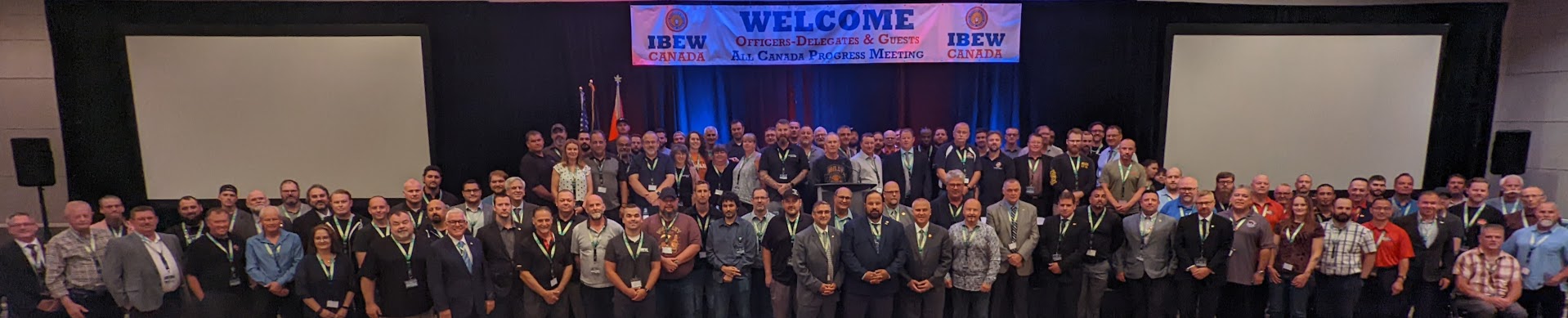
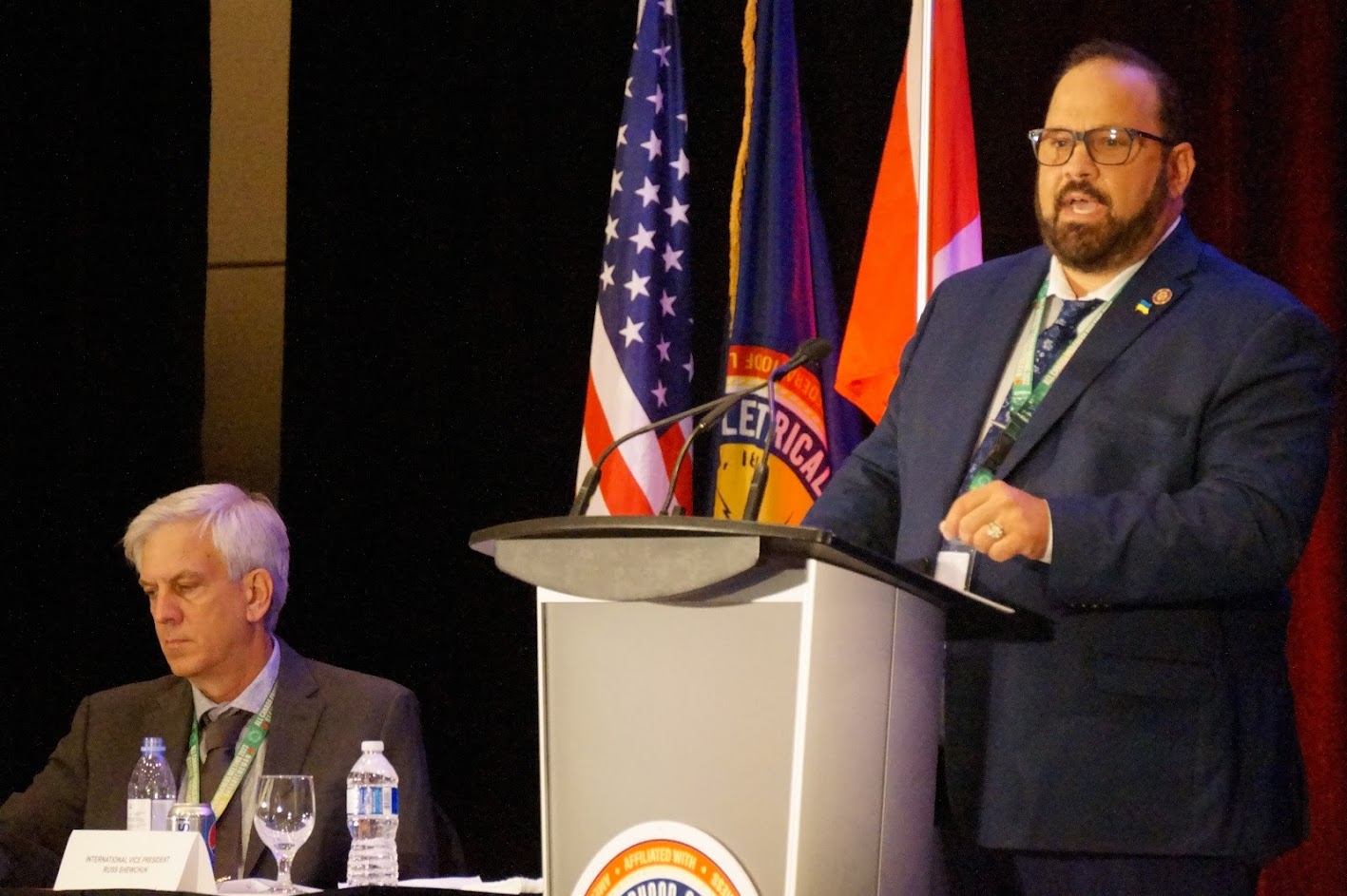
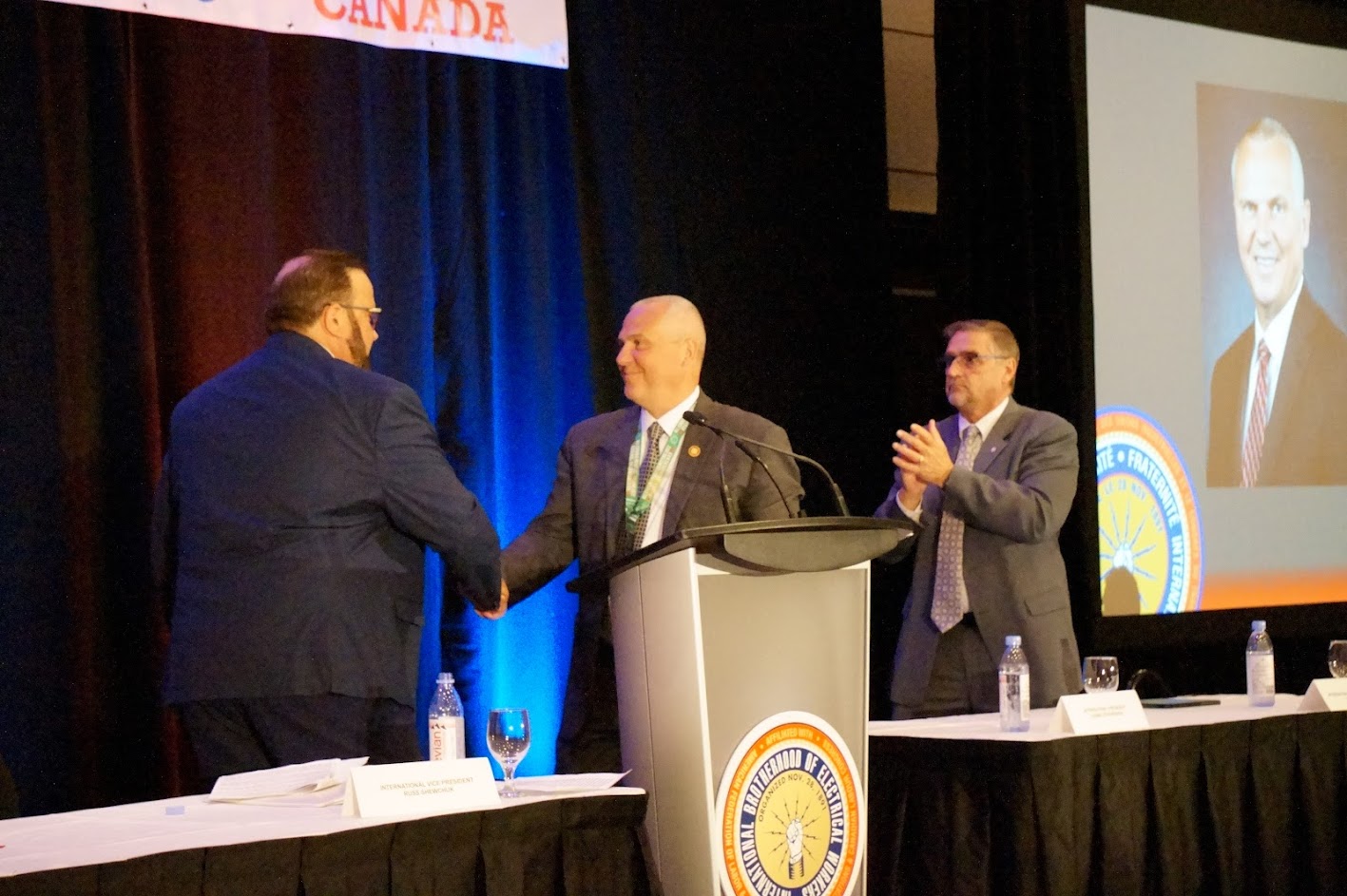
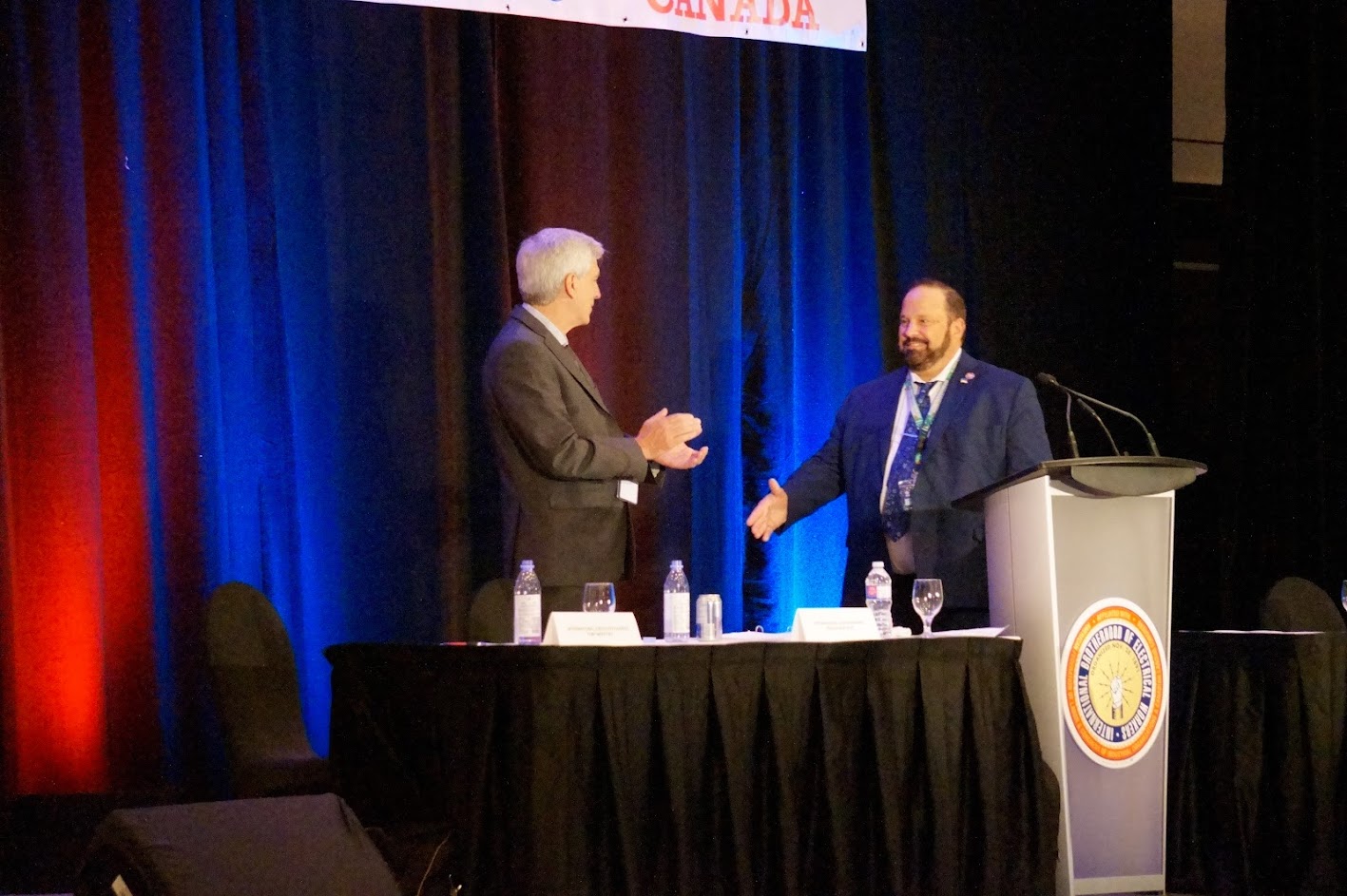





Greetings:
I would like to take this opportunity to wish each and every one of you an enjoyable and safe Labour Day weekend. Take the time to enjoy your family and friends and to put aside the stresses of your everyday work life.
Please remember our Brothers and Sisters that are no longer with us but devoted their lives to building the Labour Movement that we have today.
Happy Labour Day!!!!
In solidarity,
Russ Shewchuk
International Vice President
As job opportunities in the electrical and other building trades continue to expand throughout Canada, fears of a possible skilled-worker shortage continue to grow along with them. In British Columbia, for example, some estimates say that nearly 64,000 new tradespeople — including thousands of electrical workers — will be needed over the next 10 years.
To help capture this work for the IBEW, and also to help head off a potential crisis of electrical employment in that province, a longtime collaboration of Victoria Local 230, Kamloops Local 993, Nelson Local 1003 and the Electrical Contractors Association of British Columbia — collectively, the Western Joint Electrical Training Society — has developed an innovative program called Workplace Alternative Trades Training.
“We sat down with local contractors and talked about what’s necessary for new people to know about electrical work,” said Adrien Livingston, a member of Local 230 who serves as executive director of Western JETS, describing how the program was developed.
From those discussions emerged WATT, a free, three-week electrical pre-apprenticeship program that’s designed to further boost interest in the IBEW’s already successful pre-apprenticeship programs by “creating a low-barrier entry to the electrical trade,” Livingston said.
Funded in part by grants from the federal government’s Skilled Trades Awareness and Readiness Program, WATT specifically targets interested people who may have historically had difficulty in gaining access to Canada’s electrical foundations courses, either because of the expense or the time commitment required.
The program’s efforts are focused on increasing accessibility to the IBEW’s electrical apprenticeships for young people, especially women, along with persons from other traditionally underrepresented populations, such as people having disabilities and those from Indigenous and newcomer populations.
“We talk with each [applicant] in depth about what they’re getting into,” Livingston said.
Successful candidates are then provided, free of charge, with the basic tools of the trade plus other necessities such as steel-toe boots. Basic living expenses and transportation can be covered as needed, too.
“Graduates come out [of the program] with real, hands-on skills,” Livingston said, along with certifications in such basics as first aid, fall protection and electrical safety.
These successful participants are then recommended for a registered, IBEW-sponsored apprenticeship and are eligible for work placement with an IBEW signatory contractor. And the union’s connection doesn’t stop at the end of the three weeks: For a year afterward, with guidance from journeymen IBEW electricians and instructors, graduates have an opportunity to further develop the technical and academic skills they will need in electrical foundations programs. This ongoing mentorship and support helps graduates stay on track toward eventually becoming Red Seal-certified journeymen electrical workers themselves, with rewarding union jobs and benefits.
So far, the WATT program has been working well, Livingston said. Of the hundreds of young people who have been through the program since its 2019 inauguration, about 10% have come from Indigenous groups, 15% have been newcomers and 20% of participants have been women, he said.
Support networks have been especially crucial for women, Livingston said. Past WATT graduates often serve as mentors who help women students locate tools and workwear appropriate for them.
“Recruitment and retention are also extremely important,” Livingston said, noting that about 80% stick with the electrical trade as a career. Constant feedback from employers and communication with contractors helps to continuously improve the program, he said.
“The WATT program demonstrates the IBEW’s ongoing commitment to bringing greater equity, inclusion and diversity to electrical work,” said First District International Vice President Russ Shewchuk. “It’s helping us get the word out, in British Columbia and beyond, that the electrical trades are open to everyone.”
Learn more at wjets.ca/watt.
MoreIn an effort to increase Indigenous youth membership, London, Ontario, Local 120 recently launched a pre-apprenticeship program in partnership with area First Nations groups.
The program, which began in April, is headed by Chippewas of the Thames First Nation and works in partnership with Local 120 to help Indigenous young people gain technical skills and certifications, as well as find employment in the skilled trades.
“This program offers an opportunity that the young people in Indigenous communities rarely have,” said Jason Martincich, the lead instructor for the program. “By completing the trainings and certificates awarded, not only does it build skills, it also builds confidence that supports mental well-being with a sense of accomplishment.”
Local 120 Training Coordinator Brad Gard says that local leaders were looking to get more involved in the community and, based on their first meetings with Chippewas of the Thames First Nation, they agreed on a partnership.
“Our hope is that this will provide interest in the trades, especially electrical, and provide better Indigenous representation in the IBEW,” Gard said. “We want these young people to become mentors to the upcoming youth and future generations.”
Funded through the Ministry of Labour, Training and Skills Development, the program is open to Indigenous people in London and surrounding First Nations — Munsee-Delaware, Oneida Nation of the Thames and Chippewas of the Thames — who are between the ages of 18 and 30.
About 150 students participate in the first of the program’s three stages, where 12 students each week learn skills like first aid, résumé writing, interview preparation and diversity training. The second stage is limited to 100 of those participants and offers training on a construction site. The final stage is reserved for 50 students who will gain transferable skills to work in any trade. From there, up to five participants are selected to complete paid apprenticeships.
“This program is important on so many levels. Already we have seen many youths — 73 to date — complete Stage 1, and the feedback coming in is that they have increased confidence. They want to attend every day and are enjoying themselves,” said Meaghan MacLeod, the program’s project manager.
Participants also have access to support, including free transportation and lunch and a wage subsidy of $120 a day.
“The supports are of the utmost importance because many of these youths would not be able to participate otherwise,” Gard said. “The burdens faced by many of these students are invisible to most people, from violence and abuse in the home to lack of transportation and food security.”
While the skills learned are common to most apprenticeships, one part that’s different is the cultural component. Every Monday of every new class they start with a smudge, or cleansing ritual, the language and a hand drum song provided by one of the student advisors from Chippewas of the Thames First Nation.
“Rebuilding the bridges between education and culture is imperative as we provide a culturally sensitive environment for the youth at our union hall,” Martincich said. “It’s important that we recognize that many of these youths have been forced away from their cultural heritage. By learning about their culture and developing this program to enhance it, we feel we can bridge the gap between our communities for everyone’s benefit.”
Gard and Martincich noted that, as far as they know, the program is the first of its kind in the province, but hopefully not the last.
“For any other locals that may be interested, I recommend reaching out to local Indigenous communities to see what interest level there is,” Gard said. “Then develop a partnership with them and seek government funding to get the program up and running. We’d be happy to be a resource.”
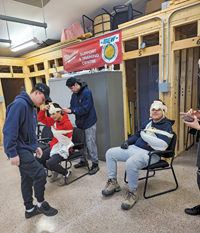
(Left) London, Ontario, Local 120 has partnered with area First Nations groups on a pre-apprenticeship geared toward Indigenous young people. Pictured here, students learned first-aid basics as part of the first of the program’s three stages.
MoreELECTED
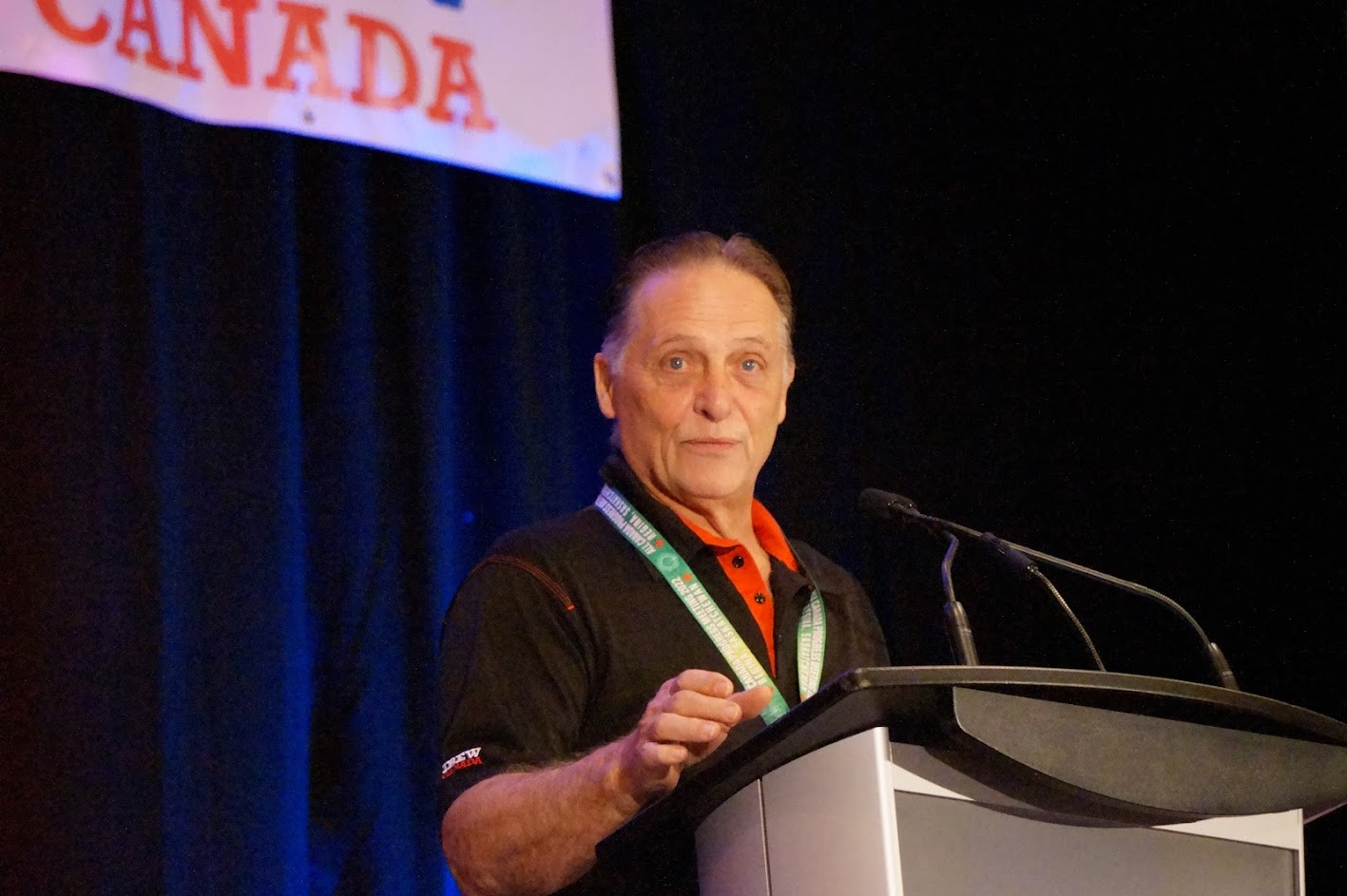
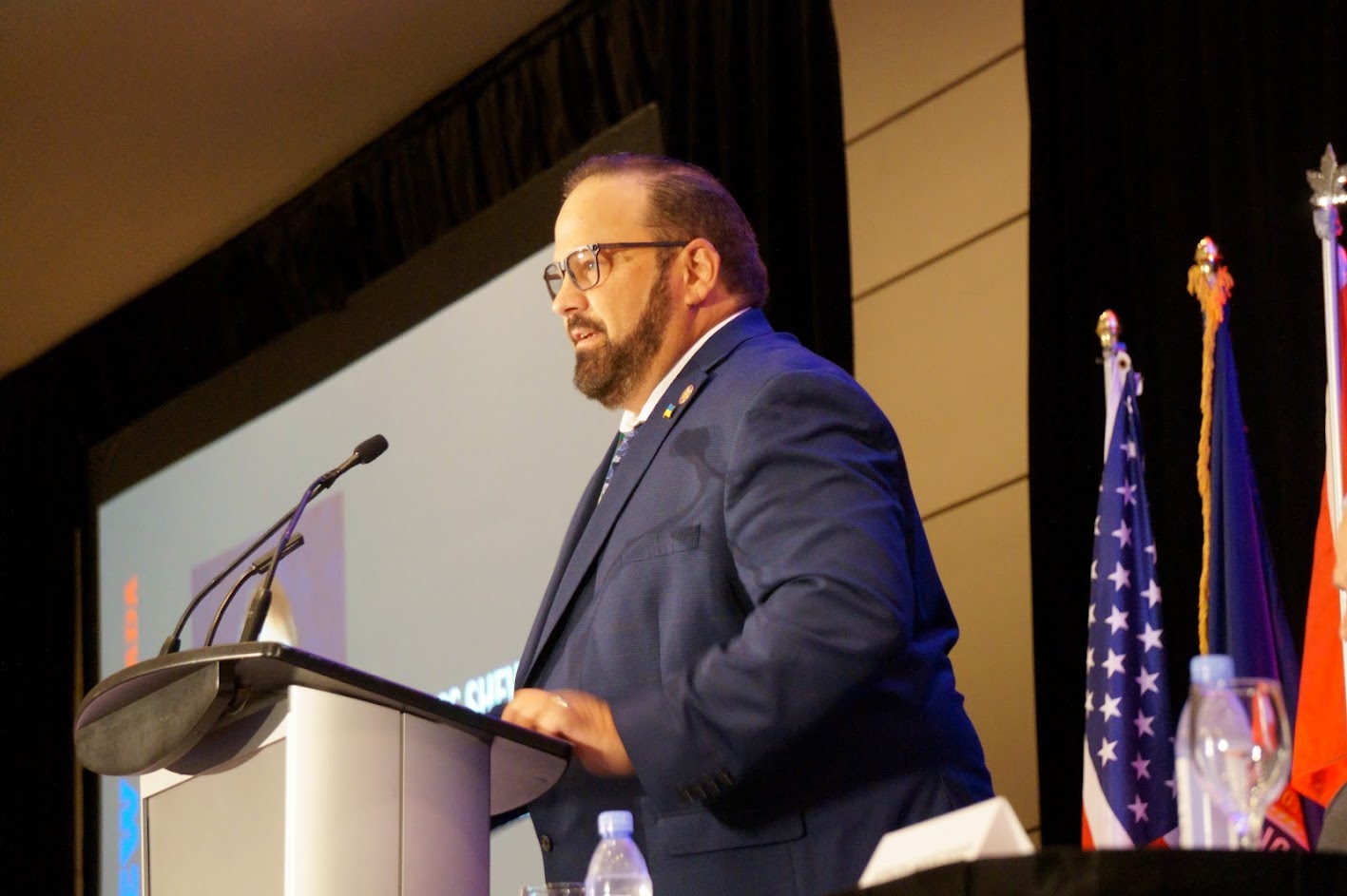
Russell N. Shewchuk
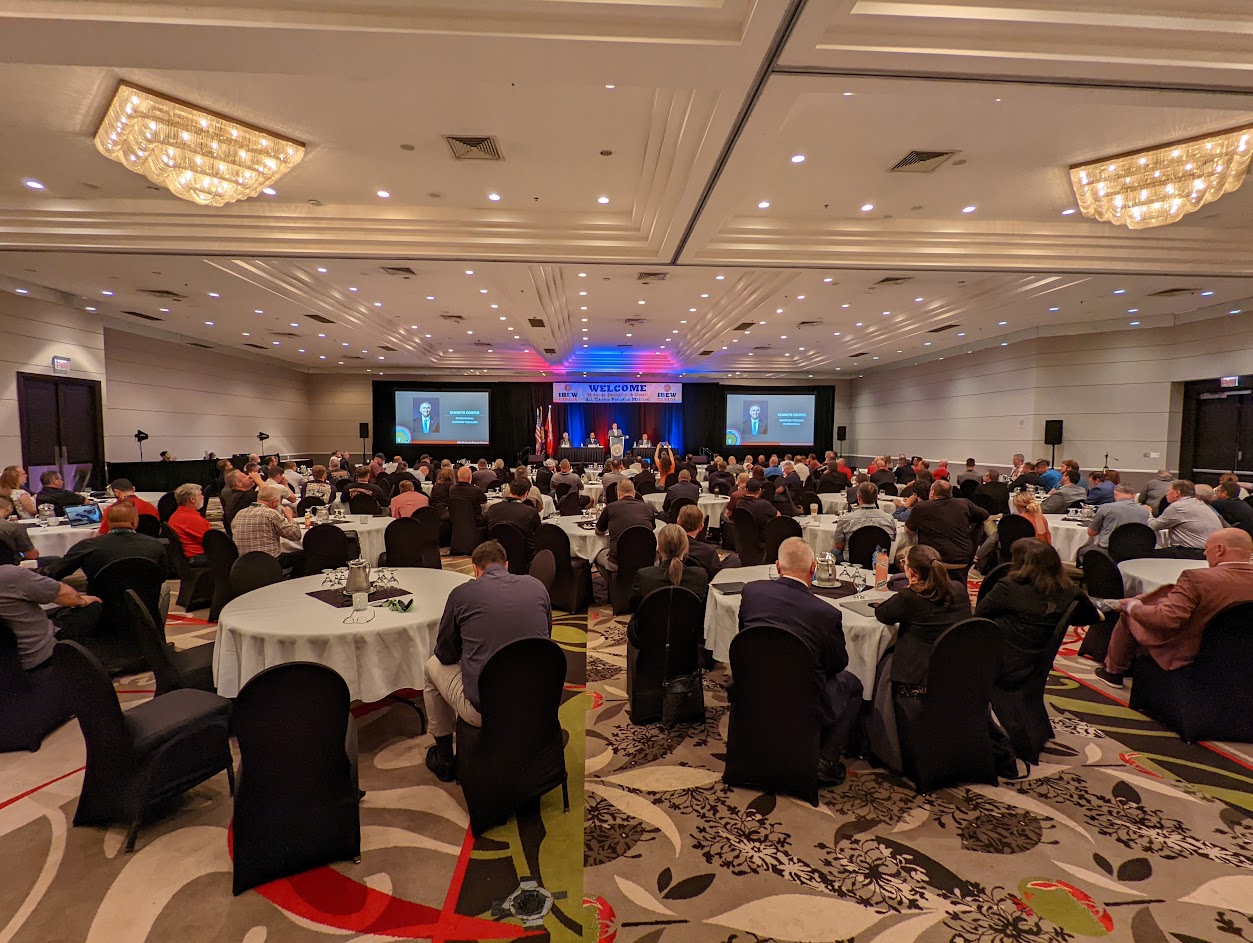
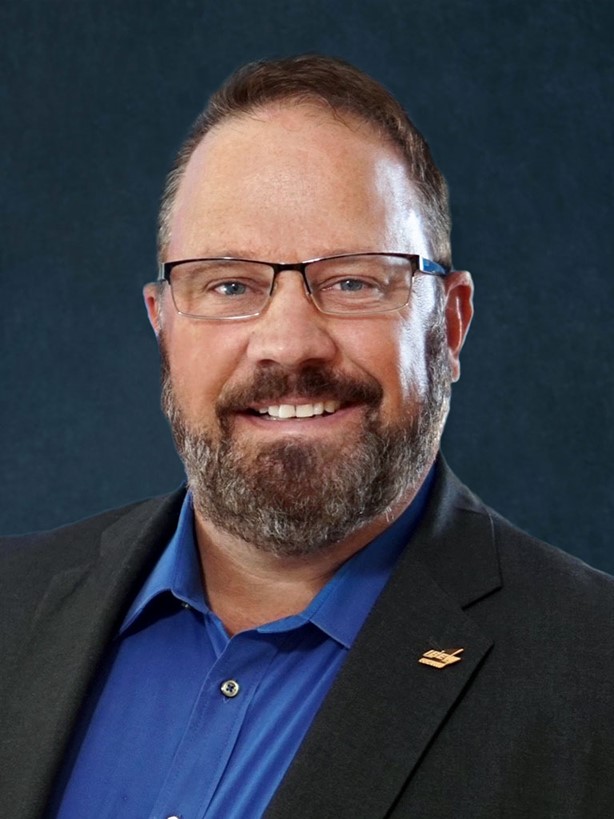 Russell N. Shewchuk was elected in May as international vice president for the IBEW’s First District at the union’s 40th International Convention in Chicago.
A four-term business manager of Winnipeg, Manitoba, Local 2085, Shewchuk brings a lifetime of IBEW experience to his new role. His father, Peter, was a Local 2085 electrician for more than 40 years, and the younger Shewchuk grew up sitting in on union meetings and attending the local’s social events.
“Dad’s fellow IBEW members were like family,” he said. “My mom and dad were both very strong union people.”
As a teenager, though, Shewchuk didn’t think much about electrical work, he said: “I went through high school as kind of an academic.” After graduating, he studied political science and labour at the University of Manitoba.
But after working an electrician job during a summer break. “I really got into it, especially the camaraderie,” he said. “You can see something be created with your own hands.” He was initiated in 1990 into Local 2085 — a local that claims the honor of being the IBEW’s largest, geographically, covering Manitoba and the Territory of Nunavut and reaching as far north as the Arctic Circle.
The Red Seal-certified journeyman wireman worked the tools and was a foreman and shop steward. He quickly got active with Local 2085, serving on its Executive Board and often holding leadership roles on local, provincial and international committees, as well as working as a trainer.
But at his core, Shewchuk is an organizer. In the decade leading up to his becoming business manager, Shewchuk was an organizer/Membership Development representative, bringing workers from more than 40 companies into the IBEW. “I talked to contractors as much as I could,” he said. “You talk to the head of the company, lay out a plan, and tell them about the IBEW and how there are benefits for both parties.” His efforts led to Local 2085’s growth from 500 members to its current level of around 1,400. He also helped the IBEW gain steady, reliable work through the development of a provincial condo/residential collective bargaining agreement.
Organizing was why he ran to represent all of Canada as international vice president. “I wanted to do it because I think I can help us move forward. I thought there was an opportunity here,” he said. “I don’t think we’re where we should be in Canada. We have to build our numbers and build a stronger IBEW across the country.”
He credits his political science background for helping him build a supportive coalition. “People said, ‘We hope you can do this; we’ll help you,'” he said. “It was the right group, the right time, the right moment.”
“Russ won the election with a decisive victory involving all sectors of the First District,” said James Barry, executive secretary-treasurer of the Construction Council of Ontario, which represents more than 17,000 IBEW members. “I have known Russ for many years, and I am extremely confident that he will be a fantastic international vice president for Canada, bringing creativity, enthusiasm and intellect to the First District office.”
Moving forward, Shewchuk said, “We’re going to grow the district to where it should be. It’s all about getting a fair deal for our contractors while creating a good work-life balance for our members with good benefit plans for our families.
“Look at the work the IBEW has done for our folks,” he said. “Lots of people before us worked for that. The IBEW is progressive, looking at the next generation. I’m honored and humbled to be in this position.”
“I’m personally looking forward to working with my close friend to make the IBEW in Canada stronger,” Barry said, “through hard work and dedication to our existing membership and to those we will welcome into our union over the coming years.”
Shewchuk will serve his fellow Canadians from the First District’s office in Mississauga, Ontario. But during winter vacations, the avid snowmobiler hopes to spend some time with his fiancée, Katerina, at their home near Lake Winnipeg. “It’s not unheard of to ride 200 miles a day there,” said Shewchuk. “Everything just goes away in the snow and pine trees.” His son, Brendon, is a fourth-year Local 2085 apprentice working for signatory contractor Abco Supply and Service, and his daughter, Devon, works for Bell MTS. His stepdaughter, Elisa, works for VIA Rail and is in her final year of university, and his stepson, Felice, is a third-level UA pipefitter apprentice.
Please join the entire IBEW in wishing Brother Shewchuk the best of luck as he assumes his new role.
——————————————
ELECTED
Tom N. Griffiths
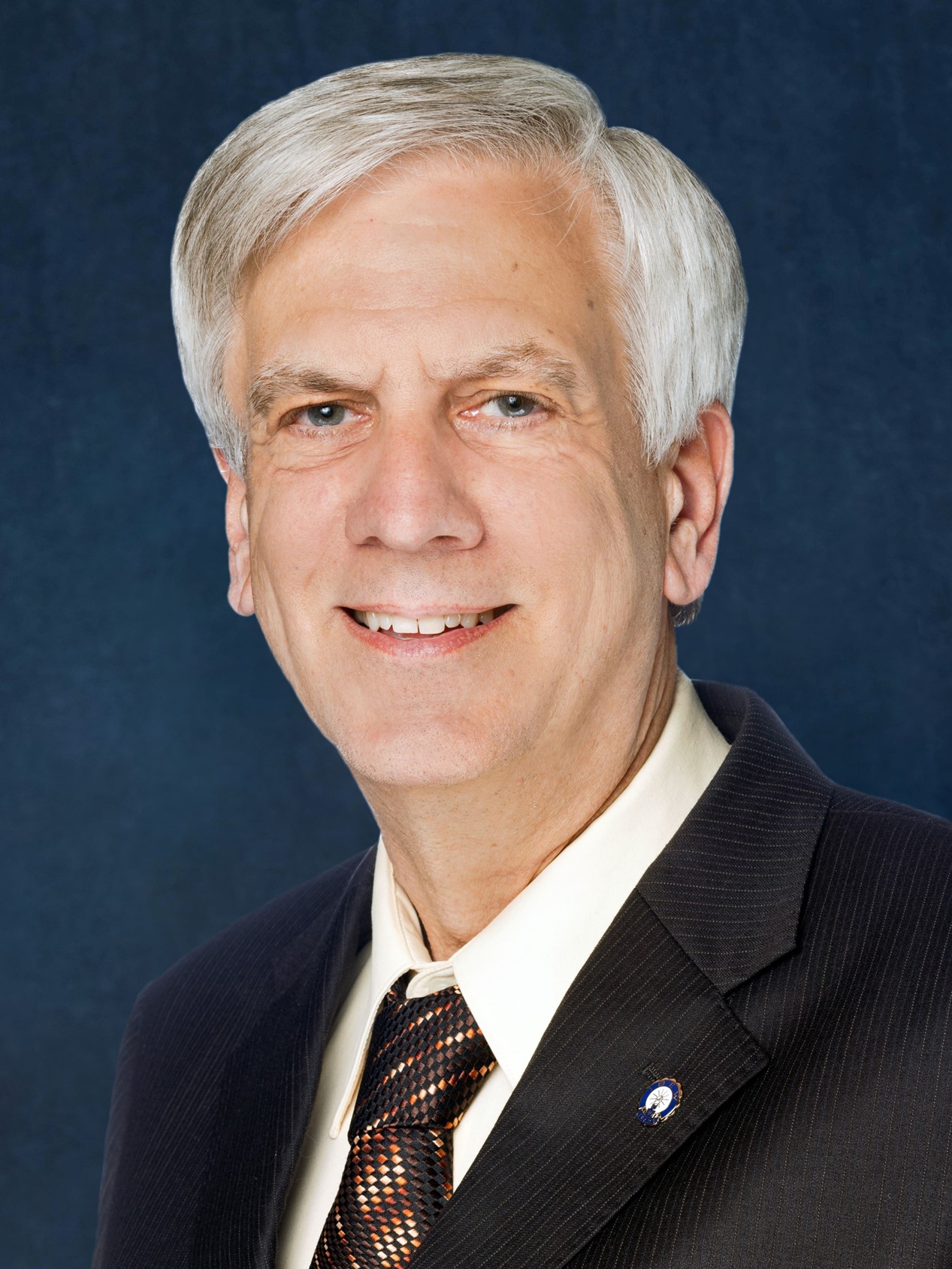 Tom Griffiths, business manager of Halifax, Nova Scotia, Local 625 and a widely admired organizer, wasn’t running for anything when he arrived at the 40th International Convention in Chicago in May.
But he turned a 24-hour campaign into victory when the candidate he was backing for the Eighth District seat on the International Executive Council was deemed ineligible and asked Griffiths to take his place.
“It is an honor of a lifetime,” he said in remarks to delegates afterwards, offering “gratitude and respect” to predecessor Phil Venoit and praising the job he did.
A journeyman wireman, Griffiths worked with the tools for 25 years until 2002 when he joined the staff of Local 625, which covers mainland Nova Scotia and Prince Edward Island in Atlantic Canada. He was elected to lead the local five years ago after nearly a decade as assistant business manager.
“He will be a great voice for Canada,” said First District International Vice President Russ Shewchuk, who was elected alongside Griffiths. “Tom has networked with a lot of the business managers across Canada. He’s well known. He’ll bring up the conditions and concerns we face in our country.”
He’ll also be a strong advocate for growth, Shewchuk said, recalling how he and Griffiths got to know each other as like-minded young organizers working in different regions of Canada.
“When you have that organizing spirit within you, you never lose that,” he said. “Tom will bring new ideas to the IEC and open some eyes. He’s a mentor, and he’s got a great young organizer named Brad Wood, who’s going to be another shining star.”
Griffiths was born in Boston and has dual citizenship in Canada, where he spent summers with his mother’s family in Digby County in southwest Nova Scotia before moving there at age 16. He applied to be a Local 625 apprentice after two years of trade school in Yarmouth.
Until the local called with good news in 1979, Griffiths worked for low pay and no benefits for several nonunion contractors. He relishes the memory of returning to one of those employers in 2004 and organizing its workers.
Cordell Cole, the business manager who hired him, sensed right away that Griffiths was the right person for the job.
“I was looking for a special type. I knew that the car salesman approach to organizing didn’t work,” said Cole, now a First District international representative. “Tom had the patience of Job. It was baby steps at first, small successes.”
For two years, Griffiths visited job sites and laid the groundwork. “People got to know him and knew they could trust him,” Cole said. “I can’t even tell you the stream of nonunion electricians who would come to his office and vent for three hours. He’d listen, and every once in a while he’d get a question in.”
Over the course of six and a half years, the local nearly doubled in size — from about 700 members to 1,300. For Griffiths, it was a daily adventure.
“Every day was different. You never knew what might happen,” he said. “People always ask me, ‘What’s the next company you’re going to organize?’ You’d have three or four pots on the stove, not sure which one was going to blow first. Sometimes it was one you weren’t even thinking of.”
Griffiths kept things exciting away from work, too. For years, he competed in the BF Goodwrench professional off-road circuit in his Jeep, even helping to organize races and knock out trails. “I did all kinds of events — hill climbs, slaloms, rallies,” he said.
In his leisure time these days, he restores classic cars and is an avid golfer. With his wife, Doreen, he’s also been renovating a cabin at a lakeside camp that’s been in his family for decades. “I’ve spent every weekend on it for the past couple of years,” he said. “I think I’m seeing the light at the end of the tunnel.”
The IBEW congratulates Brother Griffiths and welcomes him to the IEC.
More